
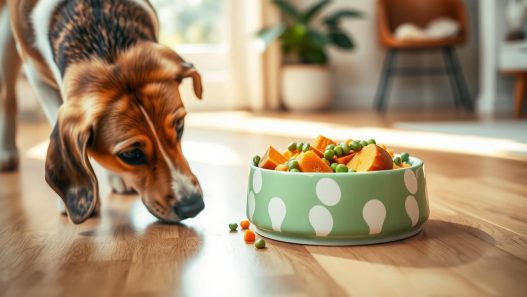

As a devoted dog owner, you may notice signs that your furry friend needs a little extra help with their digestion. Irregular bowel movements, loose stools, or even constipation can all indicate that it’s time to consider the role of diet in your dog’s health. Understanding how to incorporate beneficial ingredients can make a significant difference.
In this article, we’ll explore the essentials of how certain natural additions can support digestion and promote healthy stools. These ingredients not only nourish beneficial gut bacteria but also help with appetite control and overall well-being. We’ll introduce you to some of the most effective natural options and supplements that can enhance your dog’s meals.
It’s important to remember that every dog is unique. The right amount of these ingredients will depend on factors like size, age, and activity level. Always consult your veterinarian before making any major changes to your pet’s diet, especially if they have chronic symptoms or gastrointestinal issues.
With the right approach, you can help your dog thrive. Let’s dive into the world of healthy eating for your four-legged friend!
Key Takeaways
- Watch for signs like irregular bowel movements to assess your dog’s digestive health.
- Incorporating natural ingredients can support healthy stool formation.
- Different dogs may require varying amounts of these beneficial additions.
- Always introduce dietary changes gradually and ensure fresh water is available.
- Consult with a veterinarian for guidance, especially for dogs with existing health issues.
Understanding the Importance of Canine Fiber Sources
Many dog owners often wonder about the role of dietary choices in their pets’ health. One key question that arises is, “Do dogs need fiber?” The answer is a resounding yes! Dogs are omnivores, meaning they can thrive on a diet that includes both animal and plant foods. This adaptability allows them to benefit from various nutrients, including essential dietary components like fiber.
While protein is crucial for your dog’s health, fiber plays an equally important role. It supports digestive health by promoting regular bowel movements and helps maintain a balanced gut microbiome. In fact, fiber can help regulate stool consistency by retaining water and adding bulk, which is vital for overall gut health.
However, it’s essential to provide fiber in appropriate quantities as part of a balanced diet. Complete commercial diets are typically formulated to include the right levels of nutrients and fiber. But remember, individual needs may vary based on your dog’s size, age, and activity level.
Here are some important points to consider:
- Dogs benefit from fiber, even though protein remains a central part of their diet.
- Fiber is a functional dietary component that supports regular bowel movements rather than serving as a major source of calories.
- Adding fiber can help regulate stool consistency by retaining water and feeding beneficial microbes.
- A balanced commercial diet is different from casually adding large quantities of vegetables or supplements.
- Dogs with specific conditions like diarrhea or constipation may need a tailored fiber plan from a veterinarian.
In summary, while dogs do need fiber, it should be incorporated thoughtfully into their diets. A well-rounded approach will help ensure your furry friend remains healthy and happy.
Fiber Fundamentals: Types and Functions in Your Dog’s Diet
Understanding the types of dietary fiber can greatly enhance your dog’s digestive health. Not all fibers are created equal, and knowing the difference between soluble and insoluble fiber is crucial for your furry friend.
Soluble fiber absorbs or disperses in water, forming a gel-like substance. This type of fiber can help retain moisture in the stool, making it easier for your dog to pass. On the other hand, insoluble fiber acts as roughage. It adds bulk to the stool and aids in moving food through the gastrointestinal tract, promoting regularity.
A mixture of both soluble and insoluble fibers is often more beneficial than relying heavily on just one type. This combination supports overall gut health and digestive efficiency.
Soluble vs. Insoluble Fiber: What Your Dog Needs
- Soluble fiber: Helps retain moisture in the stool and can slow digestion, which may be beneficial for dogs with diarrhea.
- Insoluble fiber: Adds bulk and promotes normal movement through the gastrointestinal tract, preventing constipation.
- Including both types in your dog’s diet can enhance digestive health and stool quality.
Fermentability and Viscosity: How Fiber Affects Digestion
Fermentability refers to how quickly gut microbes break down fiber, producing short-chain fatty acids that support intestinal health. For example, slowly fermentable fibers like psyllium can maintain their gel-forming properties longer than rapidly fermented fibers. This slow breakdown is beneficial for sustaining gut health.
Viscosity, or the ability of certain soluble fibers to thicken digestive contents, can influence nutrient absorption and stool regulation. However, it’s essential to remember that more fiber is not always better. Excessive amounts can lead to gas, bloating, diarrhea, and reduced nutrient absorption.
In conclusion, a balanced approach to incorporating both soluble and insoluble fibers into your dog’s diet can lead to improved digestive health. By understanding these types and their functions, you can help your dog thrive.
The Health Benefits of Fiber for Dogs
Understanding the diverse health benefits of dietary components can significantly improve your dog’s well-being. Fiber plays a crucial role in supporting various aspects of health, especially digestion and gut function. It is essential to recognize how it contributes to your dog’s overall health.
One of the primary benefits of dietary fiber is its ability to support digestive health. It helps create more consistently formed stools by managing water retention and fecal bulk. This is vital for dogs prone to irregular bowel movements.
Supporting Digestive Health and Healthy Stool Formation
By influencing gastric emptying and intestinal transit, fiber can enhance stool quality. When fiber absorbs water, it increases the weight of feces, promoting regularity. This effect is especially beneficial for dogs that experience occasional constipation or diarrhea.
Enhancing the Gut Microbiome and Immune Function
Fermentable fibers serve as a prebiotic fuel source for beneficial gut microorganisms. These fibers produce short-chain fatty acids, which provide energy to colon cells and support microbial balance. This process not only nourishes gut bacteria but also contributes to local immune activity, enhancing your dog’s immune function.
Systemic Benefits: Weight Management and Beyond
Higher-fiber foods can reduce caloric density and increase satiety. This means your dog may feel fuller while consuming fewer calories, making it a useful strategy in weight management diets. Additionally, fiber can influence blood glucose responses and digestive transit, though effects may vary by fiber type and individual dog.
It’s important to note that while fiber offers supportive nutrition, it should not replace proper diagnosis or treatment when symptoms persist. Always consult your veterinarian if you have concerns about your dog’s health.
Top Canine Fiber Sources: Natural Options to Boost Your Dog’s Diet
Choosing the right foods for your dog can greatly impact their digestive health. Natural options are available that can serve as occasional toppers, treats, or even ingredients in their meals. However, it’s crucial to remember that these additions should be nutritionally balanced and portion-controlled.
Here are seven primary options to consider:
- Beetroot Pulp: This is a great source of soluble fiber, which can help regulate bowel movements.
- Pumpkin: Packed with moisture and fiber, pumpkin is a favorite for promoting digestive health.
- Apples: These crunchy fruits provide fiber and essential vitamins. Just remember to remove the seeds!
- Carrots: A crunchy snack that’s rich in vitamins and fiber, carrots can be served raw or cooked.
- Green Vegetables: Spinach, kale, and broccoli are excellent for adding nutrients and fiber to your dog’s diet.
- Brown Rice: A gentle source of fiber and energy, brown rice is often included in commercial dog foods.
- Berries: Strawberries and blueberries are not only tasty but also rich in antioxidants and fiber.
Each of these foods offers a unique combination of soluble and insoluble fiber, vitamins, moisture, and calories. It’s essential to differentiate between whole-food toppers and concentrated fiber supplements. Owners should select plain, unseasoned foods, avoiding ingredients like onion, garlic, excess salt, butter, sauces, or artificial sweeteners.
Lastly, always keep in mind that treats and toppers should not replace a complete and balanced dog food. Here’s a summary of the key foods discussed:
| Food | Type of Fiber | Vitamins | Calories (per 100g) | Moisture Content |
|---|---|---|---|---|
| Beetroot Pulp | Soluble | A, C | 43 | 88% |
| Pumpkin | Soluble & Insoluble | A, C | 26 | 92% |
| Apples | Soluble | C | 52 | 86% |
| Carrots | Insoluble | A, K | 41 | 88% |
| Green Vegetables | Varies | A, C, K | 35 | 90% |
| Brown Rice | Insoluble | B | 111 | 12% |
| Berries | Soluble | C | 57 | 84% |
By incorporating these natural options into your dog’s diet, you can enhance their digestive health while ensuring they receive essential nutrients. Always introduce new foods gradually and monitor your dog’s response to dietary changes.
Pumpkin: A Vet Favorite for Digestive Balance
Pumpkin is a popular choice among dog owners and veterinarians for promoting digestive health. This versatile food is rich in both soluble and insoluble fibre, making it an excellent addition to your dog’s diet. Whether your dog experiences loose stools or occasional constipation, pumpkin can help restore balance.
When preparing pumpkin for your furry friend, it’s essential to choose the right type. Always opt for plain cooked or pureed pumpkin. Avoid sweetened or spiced pie fillings, as they may contain sugar, salt, and other ingredients that are not safe for dogs.
How to Prepare and Serve Pumpkin Safely
To serve pumpkin safely, consider these tips:
- Use plain cooked, mashed, or pureed pumpkin without sugar, salt, spices, butter, or pie-filling ingredients.
- Start with a very small amount mixed into your dog’s regular meal to avoid sudden dietary changes.
- Monitor your dog’s response to pumpkin, including stool quality, appetite, gas, and hydration.
Benefits of Both Soluble and Insoluble Fibers in Pumpkin
The soluble fibre in pumpkin helps retain water, making stools easier to pass. Meanwhile, the insoluble fibre contributes bulk and supports regular movement through the digestive tract. This combination is particularly beneficial for dogs experiencing digestive issues.
However, remember that pumpkin is a food topper and not a universal treatment for serious conditions like vomiting, bloody stool, severe diarrhea, or persistent constipation. If your dog has ongoing digestive concerns, consult your veterinarian for tailored advice.
Beetroot Pulp: Dual Action for Gut Health
When it comes to supporting your dog’s gut health, beetroot pulp is an excellent option that often gets overlooked. This ingredient is the fibrous material left after much of the sugar is extracted from beets. Its role in your dog’s diet is significant, offering both stool-supporting properties and benefits for gut bacteria.
Beetroot pulp is classified as a moderately fermentable fiber. This means it can help firm up loose stools while also providing a food source for beneficial gut microbes. By doing so, it plays a dual role in promoting digestive health and supporting the gut microbiome.
Effect on Stool Quality and Pigmentation
One of the most notable effects of beetroot pulp is its ability to improve stool quality. Dogs that experience loose stools may benefit from this ingredient, as it helps to add bulk and moisture balance. However, it’s essential to note that fresh or cooked beetroot can cause a temporary change in stool color, turning it red or purple due to its natural pigments. This is generally normal, but any unexplained blood-like stool changes should be discussed with a veterinarian.
Use in Commercial Dog Foods
Beetroot pulp is commonly found in many commercial dog foods, especially those designed for digestive health. Its inclusion in these diets is intentional, as it supports regular bowel movements and overall gut function. It’s important to distinguish beetroot pulp from large servings of whole beetroot, which can add extra calories and more pigment to the diet.
As always, if you notice unexpected changes in your dog’s stool, such as persistent red or black colors, or if your dog shows signs of discomfort, it’s best to consult your veterinarian. They can provide guidance tailored to your dog’s specific needs.
Apples: A Crunchy, Fiber-Rich Treat
When considering healthy snacks for your dog, apples stand out as a delicious option. These fruits are not only tasty but also provide essential vitamins and fiber, making them a low-calorie treat. However, it’s crucial to prepare them properly to ensure your dog’s safety and health.
Before serving apples, always remove the core, stem, and seeds. The seeds contain cyanogenic compounds, which can be harmful, especially in large quantities. By ensuring these parts are removed, you can safely enjoy the benefits of apples with your furry friend.
Safe Serving Tips and Seed Removal
Here are some tips for serving apples to your dog:
- Wash the apple thoroughly to remove any pesticides or wax.
- Remove the stem and entire core, cutting the flesh into bite-sized pieces.
- Avoid offering seeds and cores, particularly to small dogs that may choke on firm pieces.
- Use apples as occasional treats rather than unlimited snacks, as they contain natural sugar.
Vitamins and Fiber Content
Apples contribute moisture and selected vitamins, including Vitamin C and A. They also provide fiber, which can aid in digestion. However, it’s important to remember that apples should not replace a balanced diet. A few small slices are usually sufficient as an occasional treat, with smaller dogs requiring smaller pieces.
When introducing apples or any new fruit, monitor your dog for any signs of digestive upset. This way, you can ensure that they enjoy this crunchy snack without any issues.
Carrots: Vitamins and Fiber with Crunch
Adding carrots to your dog’s diet can provide a satisfying crunch along with important vitamins and fiber. These crunchy vegetables are not only a tasty treat but also packed with nutrients that can enhance your dog’s overall health.
Carrots are rich in vitamins A, K, and B6. They can be offered raw or lightly steamed, depending on your dog’s preferences and needs. Let’s explore the differences between these two methods of preparation.
Raw vs. Steamed: What’s Best for Your Dog?
Raw carrots may work well for dogs that chew carefully and enjoy firm textures. The crunchiness can be satisfying for them, providing a fun way to snack. However, for puppies, small dogs, seniors, or dogs that struggle with hard pieces, lightly steaming carrots can make them easier to chew and digest.
Regardless of how you serve them, it’s crucial to cut carrots into appropriately sized pieces. This reduces the risk of choking, especially for dogs that tend to gulp their treats. Always supervise your dog while they enjoy their crunchy snack.
Supporting Dental Health with Crunchy Snacks
While crunchy carrots can be an enjoyable addition to your dog’s diet, it’s important to remember that they are not a replacement for brushing or professional dental care. Instead, they serve as an enrichment activity and a lower-calorie snack. Their combination of fiber, moisture, and vitamins makes them a great fit for many balanced feeding plans.
In summary, carrots can be a delightful and nutritious treat for your dog. By incorporating them into their diet, you can help support their health while providing a tasty crunch!
Green Vegetables: Spinach, Kale, Broccoli, and More
Adding greens like spinach and kale to your dog’s meals can be a game-changer for their diet. These vegetables provide essential vitamins, minerals, and fibre, supporting your dog’s overall health. Spinach, kale, green beans, and broccoli are all excellent choices that can enhance your dog’s nutrition.
However, moderation is key. While these vegetables are beneficial, large amounts of broccoli or kale may cause gas and bloating in some dogs. It’s best to introduce them gradually and observe how your dog reacts.
Moderation and Risks: Avoiding Gas and Bloating
When incorporating green vegetables, always serve them in small portions. Fresh or frozen options are preferable to canned varieties, which often contain added sodium. Start with one type of vegetable at a time to identify what your dog tolerates well.
Keep an eye on your dog’s digestion. If you notice any signs of discomfort, it may be best to reduce the amount or try a different vegetable.
Pairing Greens with Taste Boosters
To make vegetables more appealing to picky eaters, consider pairing them with their usual food. Mixing a small amount of chopped or steamed greens with their regular meals can encourage them to eat. Avoid adding salt, butter, onion, garlic, or sauces, as these can be harmful to dogs.
Green beans are a fantastic low-calorie option that can be used as a simple meal topper. Just remember to account for their calories in your dog’s overall diet.
By introducing green vegetables thoughtfully, you can enhance your dog’s diet while providing essential nutrients. Your furry friend will appreciate the tasty addition!
Brown Rice: Gentle Fiber and Energy Source
As you explore nutritious options for your dog, consider the advantages of incorporating brown rice. This whole grain is a digestible source of energy and provides gentle roughage that can support your dog’s digestive health. Brown rice is often found in many commercial high-fiber dog foods, making it a popular choice among pet owners.
However, it’s essential to understand how to introduce brown rice properly, especially for dogs with sensitive stomachs. Portion control is crucial to ensure that your dog benefits from this ingredient without experiencing any digestive upset.
Portion Control for Sensitive Stomachs
When adding brown rice to your dog’s meals, it’s important to keep portions proportionate to their body size, activity level, and weight goals. Here are some tips for managing portion sizes:
- Start with a small amount mixed into their regular food.
- Monitor your dog for any signs of loose stool, gas, or reduced appetite.
- Adjust the portion as needed based on your dog’s response.
Remember, brown rice should not crowd out high-quality protein, essential fats, vitamins, or minerals in your dog’s diet. A balanced approach is key to maintaining overall health.
Integrating Brown Rice into Commercial and Home Diets
Whether you choose commercial dog food or prepare homemade meals, integrating brown rice can be beneficial. For homemade diets, it’s crucial to consult with a board-certified veterinary nutritionist. This ensures that the meals are complete and balanced, as simply adding rice, vegetables, or meat does not guarantee proper nutrition.
In summary, brown rice serves as a gentle source of energy and dietary fiber for dogs. By introducing it gradually and monitoring your dog’s response, you can enhance their diet while ensuring they receive the necessary nutrients for optimal health.
| Food | Type of Nutrient | Benefits |
|---|---|---|
| Brown Rice | Carbohydrates, Fiber | Gentle energy source, aids digestion |
| Protein Sources | Protein | Essential for muscle health |
| Vitamins & Minerals | Vitamins, Minerals | Supports overall health |
Berries: Antioxidant-Rich Fiber Treats
Fruits like strawberries and blueberries can be delightful additions to your dog’s diet. These berries are not only tasty but also packed with beneficial nutrients. They provide both fiber and antioxidant polyphenols, which can support your dog’s overall health.
While berries can enhance your dog’s nutrition, it’s important to balance their sugar content with their health benefits. Although they contain natural sugars, offering them in moderation is key. This way, your furry friend can enjoy the treats without the risk of digestive upset.
Balancing Sugar Content with Nutritional Benefits
Strawberries and blueberries are rich in fiber, which can help bind polyphenols and deliver some beneficial compounds to the colon. This combination may support overall nutritional quality. However, it’s essential to remember that while these fruits are nutritious, they are not a cure for any diseases.
Safe Feeding Guidelines for Strawberries and Blueberries
When feeding berries to your dog, follow these guidelines:
- Present berries as nutrient-rich treats rather than essential components of a dog’s daily diet.
- Serve washed blueberries whole only when the dog can safely manage their size; cut larger berries for smaller dogs.
- Remove strawberry stems and leaves, and avoid jams, syrups, sweetened yogurt, and baked goods.
- Keep portions modest because berries contain natural sugar, and excess fruit may cause digestive upset.
By incorporating strawberries and blueberries into your dog’s diet as occasional treats, you can provide them with delicious flavors and beneficial nutrients. Just remember to introduce them gradually and monitor your dog’s response to these tasty additions!
Alternative Canine Fiber Sources and Supplements
Exploring alternatives to whole foods can provide valuable options for enhancing your dog’s diet. When whole foods aren’t feasible, various dietary supplements can help meet your dog’s nutritional needs. These alternatives can be particularly useful for dogs with specific health requirements or for owners seeking convenience.
Among the top alternatives are flaxseed and wheatgerm. Flaxseed is rich in soluble dietary components, while whole flaxseed offers more insoluble options. Milling flaxseed changes how its fiber is made available, potentially improving its usefulness in a dog’s diet. Wheatgerm not only provides fiber but also contains vitamin E and folic acid, making it a nutrient-packed choice.
Flaxseed and Wheatgerm: Nutrient-Packed Fiber Options
Wheatgerm is a nutrient-containing option that contributes calories and should be portioned appropriately. This means that while it adds valuable nutrients, it should be included in moderation to avoid excessive calorie intake.
Kelp is another option that may support regularity in dogs with otherwise healthy digestion. However, it should be used cautiously, as iodine content and product quality can vary, particularly for dogs with thyroid concerns. Psyllium is a concentrated fiber option often used in veterinary nutrition. It provides a potent source of dietary fiber that can be beneficial for digestive health.
Kelp and Purpose-Formulated Fiber Supplements
When considering fiber supplements, it’s essential to select products based on concentration, ingredients, palatability, and health needs. A fiber supplement may include prebiotics, postbiotics, or paraprobiotics, but dosing should be individualized. Comparing concentrated psyllium with lower-concentration foods such as pumpkin may help determine the best fit for your dog.
Encouragingly, owners should select products with transparent ingredient labels, clear directions, and quality controls. Consulting with a veterinarian can also ensure that the chosen supplement aligns with your dog’s specific health requirements.
Choosing the Right Supplement for Your Dog
While supplements can be beneficial, they can also affect palatability, medication timing, nutrient balance, or stool consistency. Monitoring your dog’s response to any new product is crucial to ensure it meets their needs without causing adverse effects.
| Supplement | Type of Fiber | Benefits |
|---|---|---|
| Flaxseed (Milled) | Soluble | Improves digestibility, supports gut health |
| Wheatgerm | Soluble & Insoluble | Rich in vitamins, supports overall health |
| Kelp | Varies | May support regularity, nutrient-rich |
| Psyllium | Concentrated | Effective for digestive issues, individualized dosing |
By considering these alternative sources and supplements, you can enhance your dog’s diet while ensuring they receive essential nutrients. Always introduce new products gradually and monitor your dog’s response to dietary changes.
How to Safely Add Fiber to Your Dog’s Diet
Introducing new dietary elements to your dog’s meals can be a thoughtful way to enhance their health. However, it’s crucial to do this safely and effectively. Gradual changes are key to preventing digestive upset and ensuring your dog adapts well to new foods.
Start with one new fiber source rather than combining several new foods at once. This approach allows you to monitor how your dog responds to each addition. Use a small initial portion and observe your dog for several days. Increase the amount only if their stool, appetite, and comfort remain normal.
Gradual Introduction and Portion Recommendations
Maintaining free access to clean water is essential. Many types of dietary components retain or shift water in the digestive tract. This can help prevent dehydration and support digestion. Keep a simple record of the food, amount, stool appearance, gas, appetite, and energy level to track any changes.
Consulting Your Veterinarian: When to Seek Advice
If your dog develops persistent diarrhea, vomiting, pain, weakness, dehydration, blood in the stool, or worsening constipation, stop the new addition immediately. It’s important to contact a veterinarian in these cases. Seeking professional advice is also recommended before changing the diet of a dog with chronic gastrointestinal disease, diabetes, kidney disease, thyroid disease, or medication use.
Monitoring Your Dog’s Response to Dietary Changes
As you introduce new dietary components, keep a close eye on your dog’s behavior and health. If you notice any signs of discomfort or adverse reactions, consult your veterinarian. By taking these precautions, you can help ensure that your dog’s transition to a more varied diet is smooth and beneficial.
| Action | Recommendation |
|---|---|
| New Fiber Source | Introduce one at a time |
| Initial Portion | Start small and observe |
| Water Access | Always provide clean water |
| Monitoring | Record stool, appetite, and energy |
| Veterinary Consultation | For persistent symptoms or existing conditions |
Using Fiber to Manage Canine Digestive Health Conditions
Managing your dog’s digestive health can sometimes require specific dietary changes. Understanding how to utilize dietary components effectively can make a significant difference. In this section, we will explore how fiber can play a vital role in addressing various digestive conditions.
Fiber’s Role in Treating Acute and Chronic Diarrhea
Fiber can be useful in some cases of acute diarrhea, especially large-bowel diarrhea or colitis. However, it’s essential to note that diarrhea may also signal infections, parasites, toxins, pancreatitis, or other diseases. When recommended by a veterinarian, selected soluble fibers, including psyllium, may help regulate stool water and consistency.
Managing Constipation and Promoting Regularity
Constipation requires careful evaluation for dehydration, pain, obstruction, orthopedic limitations, medication effects, or underlying disease before adding any dietary changes. Fiber can help by increasing stool bulk or moisture, but it’s crucial to identify the cause of constipation first. Monitoring your dog’s condition is key to effective management.
Fiber and Weight Management Strategies
Higher-fiber weight-management diets can increase meal volume and satiety while reducing calorie density. These diets help dogs feel fuller without consuming excess calories. However, it’s important to remember that extra fiber can dilute calories and nutrients. Therefore, it should not be added casually to an underweight, growing, pregnant, or nursing dog.
Veterinary therapeutic diets often combine several fiber types more effectively than a single household ingredient. Consulting with a veterinarian ensures that the chosen diet aligns with your dog’s specific health needs. By understanding the role of fiber in your dog’s diet, you can help them achieve better digestive health.
- Fiber can be useful in some cases of acute diarrhea, especially large-bowel diarrhea or colitis.
- Selected soluble fibers, including psyllium, may help regulate stool water and consistency when recommended by a veterinarian.
- Constipation requires evaluation for dehydration, pain, obstruction, orthopedic limitations, medication effects, or underlying disease before adding fiber.
- Higher-fiber weight-management diets can increase meal volume and satiety while reducing calorie density.
- Extra fiber can dilute calories and nutrients, so it should not be added casually to an underweight, growing, pregnant, or nursing dog.
- Veterinary therapeutic diets often combine several fiber types more effectively than a single household ingredient.
Conclusion
In conclusion, a balanced diet is crucial for your dog’s vitality and longevity. The best choices depend on your dog’s specific needs, including their age, size, and health status. Incorporating options like plain pumpkin, beetroot pulp, carrots, green vegetables, brown rice, apples, and berries can significantly enhance their digestive health.
Both soluble and insoluble types of dietary components play unique yet complementary roles in maintaining gut health. Remember to introduce new foods gradually, offer small portions, and always provide fresh water. Avoid seasoned or sweetened human foods, as they can be harmful.
If your dog experiences persistent digestive issues, such as diarrhea, constipation, or vomiting, consult your veterinarian. They can provide tailored advice to ensure your furry friend remains healthy and happy.